
Invited Speakers
Distinguished experts from academia, government, international organizations, and the private sector will deliver keynote and plenary addresses.
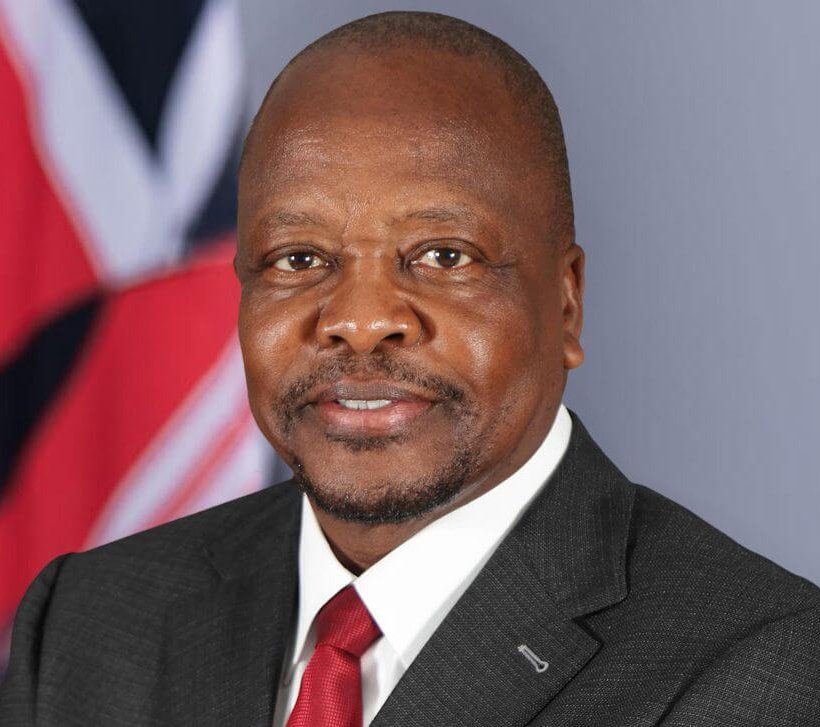
Hon. Muthai Kagwe, EGH
Profile
Hon. Muthai Kagwe is the Chairman, ASARECA Council of Patron Ministers (CPM) by virtue of his position as Cabinet Secretary- Ministry of Agriculture and Livestock Development, the Republic of Kenya. Kenya assumed the rotational Chairmanship ASARECA CPM in February 2024 and will hold it for two years before passing over to another ASARECA Member State. Before his appointment as the Cabinet Secretary for Agriculture and Livestock Development, he served as Cabinet Secretary for Health, a task he took on following his elevation on 28 February 2020. Hon. Kagwe a Bachelor of Commerce (Insurance) degree from the University of Nairobi (1978 – 1981) and an MBA from United States International University (1988 – 1992). As a politician his journey started 2002 when he became the fifth member of parliament for Mukurweini Constituency in Nyeri County, Kenya. As a member of parliament, he was the chair of the parliamentary committee on Finance, Trade, Tourism, and Planning. In 2005 he made his debut in the Kenyan cabinet when he was appointed the minister of Information, Communication and Technology.
Joshua Ariga
Profile
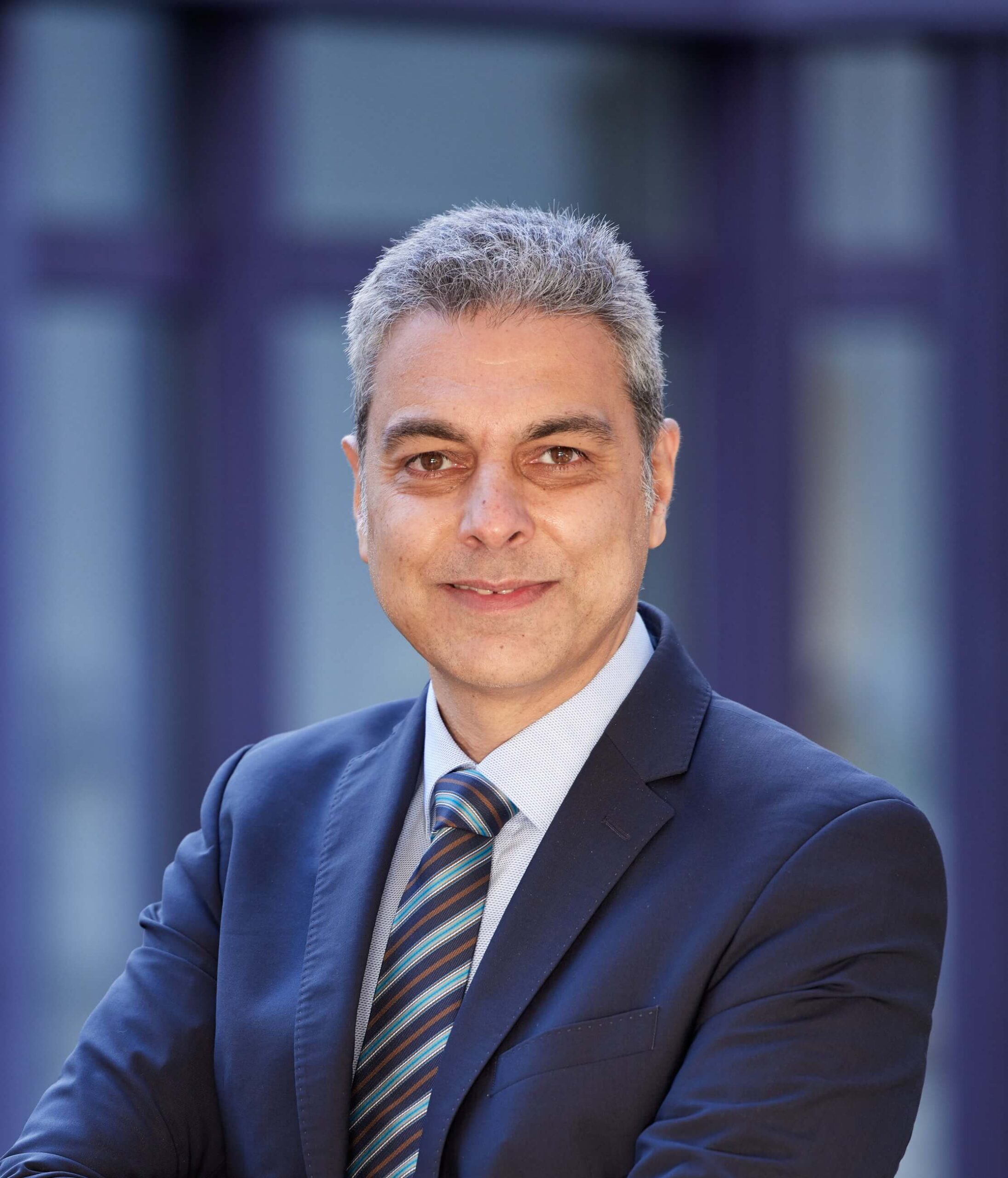
Matin Qaim
Profile
Matin Qaim is Professor of Agricultural Economics and Executive Director of the Center for Development Research (ZEF), University of Bonn, Germany. Before, he had professorships at the Universities of Goettingen and Hohenheim and was research fellow at UC Berkeley, California. Qaim’s main research areas relate to sustainable food systems, poverty reduction, and rural development. He is a Highly Cited Researcher, Member of the German National Academy of Sciences, Fellow of the American Agricultural & Applied Economics Association (AAEA), and President of the International Association of Agricultural Economists (IAAE).
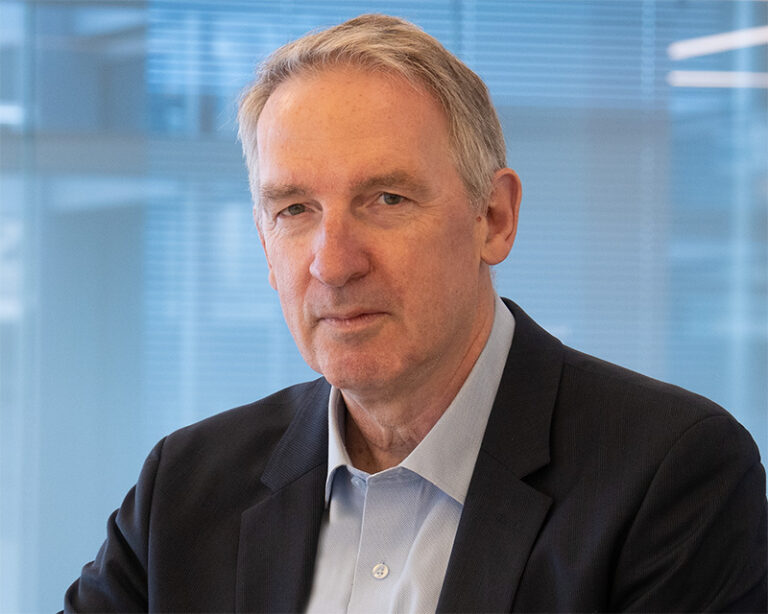
Johan Swinnen
Profile
Prior to joining IFPRI, Dr. Swinnen was a professor of economics and director of the LICOS Centre for Institutions and Economic Performance at KU Leuven (Belgium) and Senior Research Fellow at the Centre for European Policy Studies in Brussels.
Dr. Swinnen was a Lead Economist at the World Bank from 2003 to 2004 and economic adviser to the European Commission from 1998 to 2001. Over the course of his career, Dr. Swinnen has been a visiting professor at various universities, including at Stanford University’s Center on Food Security and the Environment, and a frequent adviser to institutions such as the World Bank, the European Bank for Reconstruction and Development, the Organization for Economic Co-operation and Development, and the Food and Agriculture Organization of the United Nations.
Dr. Swinnen earned his PhD from Cornell University (USA) and holds honorary doctorates from the University of Göttingen (Germany) and the Slovak University of Agriculture in Nitra (Slovakia). He is a fellow of the Agricultural & Applied Economics Association and the European Association of Agricultural Economists, and he served as President of the International Association of Agricultural Economists from 2012 to 2015.
Dr. Swinnen has published extensively on agricultural and food policies, international development, political economy, institutional reforms, trade, and global value chains, and his body of work has been widely cited. His recent book, The Political Economy of Agricultural and Food Policies (Palgrave Macmillan, 2018), received the Book Award from the European Association of Agricultural Economists (EAAE). A co-authored paper on “Trade, Standards, and Poverty: Evidence from Senegal” received the 2023 Publication of Enduring Quality Award from the Agricultural & Applied Economics Association (AAEA). His other books include Quality Standards, Value Chains and International Development (Cambridge University Press 2015); Political Power and Economic Policy: Theory and Empirical Applications (Cambridge University Press 2011); and From Marx and Mao to the Market: The Economics and Politics of Agricultural Transition (Oxford University Press 2006).
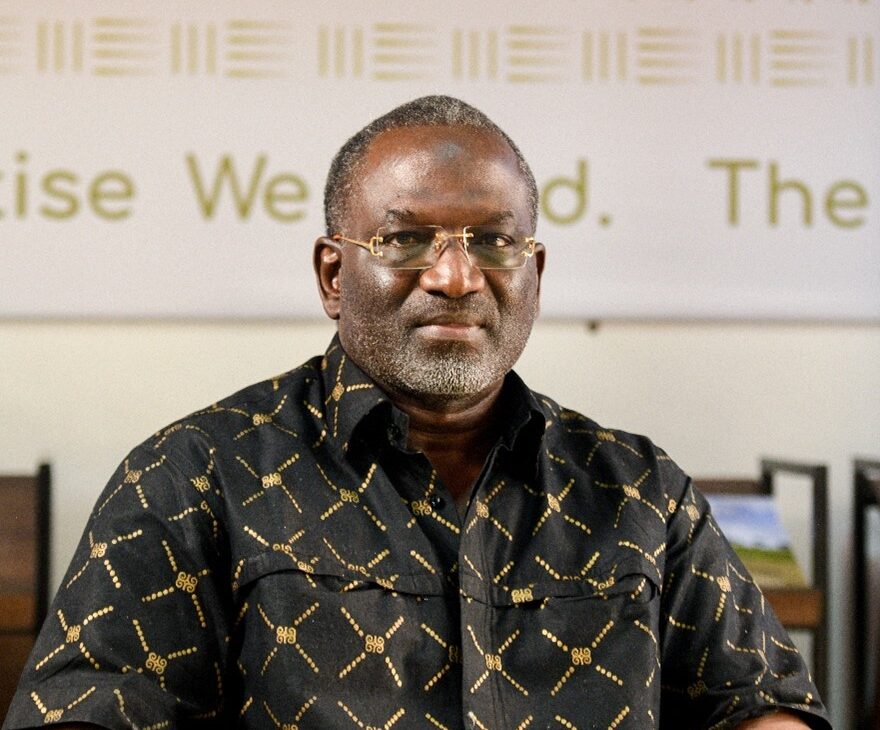
Ousmane Badiane, PhD, Dr. h.c
Profile
Dr. Ousmane Badiane, a Distinguished Fellow of the African Association of Agricultural Economists, recipient of the Africa Food Prize in 2015, and a member of the World Academy of Sciences, serves as the Executive Chairperson of AKADEMIYA2063. He has over 35 years of experience as an academic and a practitioner in international development.
As the Director for Africa at the International Food Policy Research Institute (IFPRI), he was instrumental in developing and guiding the implementation of the Comprehensive Africa Agriculture Development Programme (CAADP).
As Lead Specialist for Food and Agricultural Policy at the World Bank, he served as advisor to the Vice President for Africa and originated projects with large-scale funding. Between research and development finance, Dr. Badiane taught Economics of Development in Africa at Johns Hopkins University’s School of Advanced International Studies for many years.
Dr. Badiane received a PhD in Agricultural Economics from the University of Kiel in Germany. He is also the recipient of a Doctorate Honoris Causa from the University of KwaZulu-Natal in South Africa.
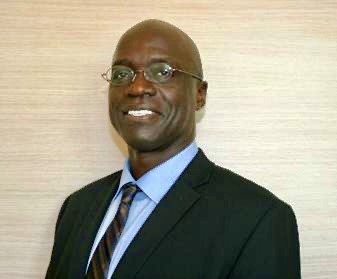
Steven Were
Profile
Steven Were Omamo is Director of the Development Strategies and Governance Unit, based in Nairobi, Kenya. He also serves as Director for Africa. Were worked most recently for New Growth International, where he served as Chief Executive Officer (CEO) and President. Previously, he held several leadership positions with the UN World Food Programme (WFP), including as Country Director in Ethiopia, and as Deputy Director and Food Systems Coordinator of the WFP Policy and Programme Division. He has also served as Director of Global Engagement and Research with the International Fund for Agricultural Development (IFAD), Director of Policy and Advocacy with the Alliance for a Green Revolution in Africa (AGRA), and has held positions with the International Service for National Agricultural Research (ISNAR), International Livestock Research Institute (ILRI), Kenya Agricultural Research Institute (KARI), Association for Strengthening Agricultural Research in Eastern and Central Africa (ASARECA), and Egerton University, Kenya. Earlier in his career, Were worked at IFPRI as a Research and then Senior Research Fellow. He is an Adjunct Professor of Agricultural Economics at Virginia Tech University and holds PhD and MA degrees from Stanford University, an MS from the University of Connecticut, and a BS from California State University, Fresno.
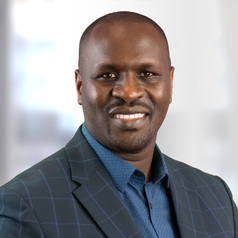
Oliver Kiptoo
Profile
Oliver Kiptoo Kirui is a Research Fellow and Acting Program Leader for Nigeria in the Development Strategies and Governance Unit, based in Abuja, Nigeria, where he supports the development of research-based policy solutions; coalition-building for policy change; co-creating innovative analytical tools in close collaboration with several partners.
Oliver conducts and supports research related to several policy-relevant topics including agricultural and economic transformation, markets and trade, livelihoods and nutrition, development strategy and investment planning, and resilience of agriculture under climate change and extreme weather events. He is experienced in managing and conducting evidence-based research, building coalitions and working with multiple stakeholders, and conceptualizing, conducting, and communicating research outputs to various audiences.
Prior to joining IFPRI, Oliver worked as a Senior Researcher and Postdoctoral Fellow at the Center for Development Research (ZEF), University of Bonn, Germany, and as a Research Associate at the International Maize and Wheat Improvement Center (CIMMYT). He received his PhD in Development Economics from the University of Bonn.

Prof. Opeyemi Eyitayo Ayinde
Profile
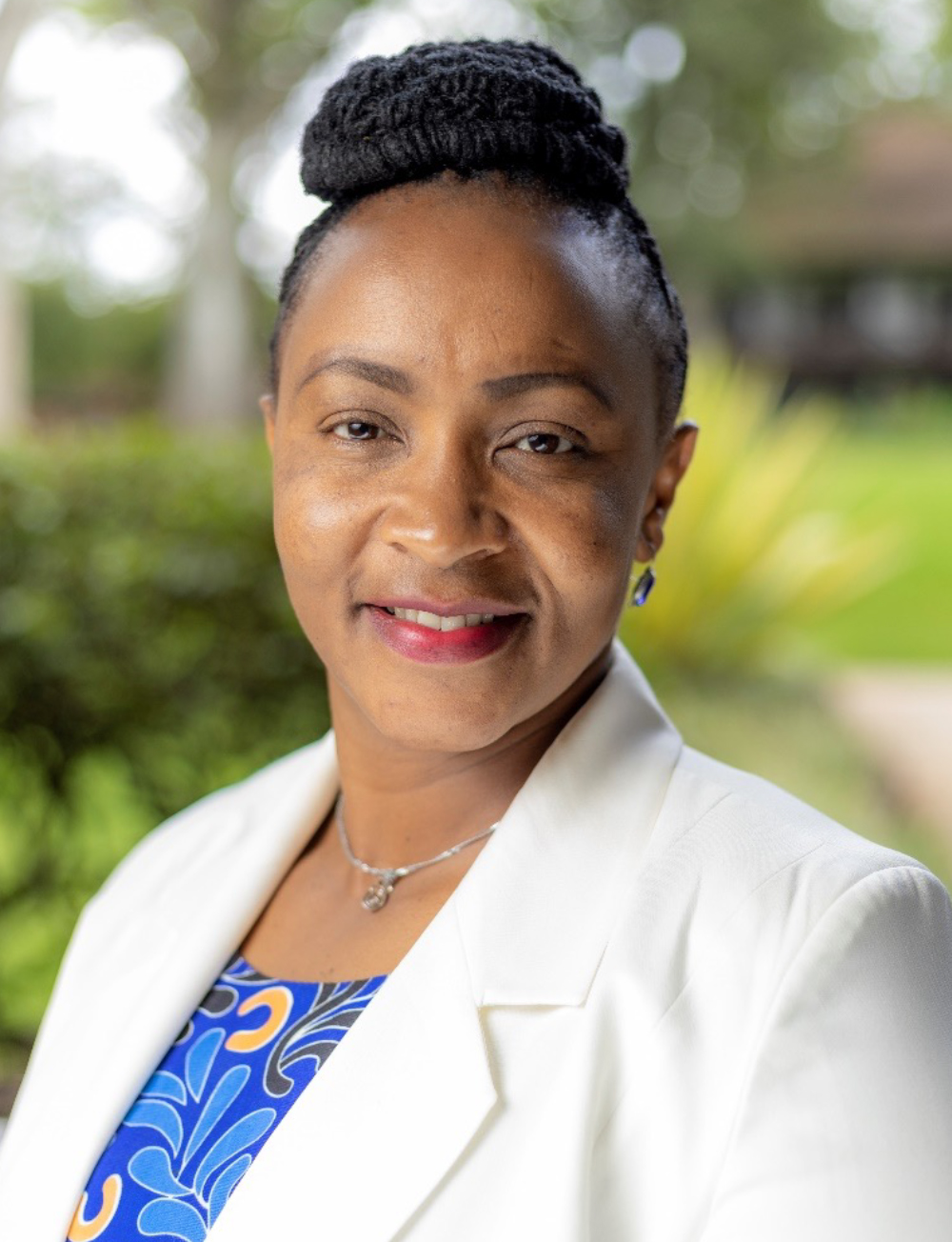
Dr. Beatrice Muriithi
Profile
Dr. Muriithi has made significant contributions to the integrated pest management (IPM) discourse in Eastern and Southern Africa, demonstrating the economic gains of various value chain actors — including improved income, reduced pre- and post-harvest losses, and lower chemical expenditures — as well as broader health and environmental benefits. She also works on livestock health, beekeeping, and pollination services and their integration with IPM practices, with her animal health research highlighting the economic importance of challenges such as tsetse and trypanosomiasis. Beyond her scientific work, she plays an active role in resource mobilization and in mentoring young researchers and postgraduate students.