Overview
The Local Organising Committee (LOC) plays a central role in ensuring the successful planning and delivery of the ACAE Conference 2026 in Nairobi, Kenya. Working closely with the host organization and partners, the LOC oversees logistics, stakeholder coordination, hospitality arrangements, and on-the-ground implementation.
The committee brings together experienced professionals from academia, research institutions, government agencies, and the private sector to ensure a seamless and impactful conference experience.
ACAE Host
African Association of Agricultural Economists
The AAAE is a nonprofit professional body founded in 2004 in Nairobi, Kenya. It serves agricultural and development economists across Africa and beyond, fostering research, teaching, and outreach in areas such as food security, climate change, rural development, agribusiness, and policy analysis. AAAE’s mission is to promote sustainable agricultural development by strengthening the skills, knowledge, and contributions of its members, ultimately improving the productivity and resilience of African agriculture.
International Food Policy Research Institute
The IFPRI, established in 1975 and headquartered in Washington, D.C., is a global research center dedicated to reducing poverty and ending hunger and malnutrition. As part of the CGIAR consortium, IFPRI provides evidence-based policy solutions that address agriculture, food systems, nutrition, climate change, and sustainable resource management. Its work supports governments, development partners, and communities in designing strategies that foster inclusive and resilient food systems worldwide.
Local Organising Committee
The LOC is structured to ensure efficient coordination across all functional areas
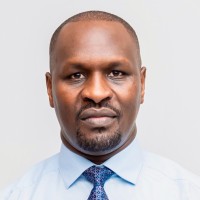
Dr. Oliver K. Kirui
Committee Chairperson
Profile
Dr. Oliver K. Kirui is a Research Fellow in IFPRI’s Development Strategies and Governance Unit and Country Program Leader for the Nigeria and Ghana Strategy Support Programs. Based in Abuja, Nigeria, he leads and supports the development of evidence-based policy solutions, strengthens coalitions for policy and institutional change, and co-creates innovative analytical tools in close collaboration with governments, development partners, research institutions, the private sector and other stakeholders.
He also serves as Co-Lead of the Nigeria Policy Innovations Hub under the CGIAR Policy Innovations Program. In this role, he supports the translation of research evidence into practical policy solutions, promotes collaboration between researchers and decision-makers, and helps strengthen the enabling environment for the adoption and scaling of agricultural and food-system innovations.
Oliver is Chair of the Local Organizing Committee for the 8th African Conference of Agricultural Economists and serves as the Eastern Africa Representative on the Executive Committee of the African Association of Agricultural Economists. Through these roles, he contributes to advancing agricultural economics research, strengthening professional networks and promoting evidence-informed policy dialogue across Africa.
Oliver’s research focuses on agricultural and economic transformation, markets and trade, livelihoods and nutrition, development strategies and investment planning, and the resilience of agriculture and food systems to climate change and extreme weather events. He has extensive experience in designing, managing and conducting policy-relevant research, building multi-stakeholder partnerships, and communicating research findings and policy recommendations to government officials, development practitioners, researchers and other audiences.
Before joining IFPRI, Oliver worked as a Senior Researcher and Postdoctoral Fellow at the Center for Development Research at the University of Bonn, Germany, and as a Research Associate at the International Maize and Wheat Improvement Center. He holds a PhD in Development Economics from the University of Bonn.
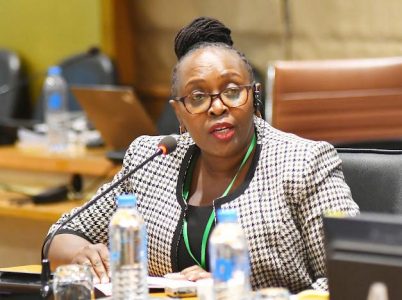
Dr. Alice Murage
Profile
Dr. Alice Murage is a distinguished agricultural economist and senior leader at the Kenya Agricultural and Livestock Research Organization (KALRO), where she has built over two decades of experience in results-driven research. She holds a PhD in Agricultural Economics from Egerton University, jointly with Justus Liebig University. Her research portfolio spans technology adoption, socio-economic policy, gender inclusion in agriculture, and participatory research methods, and she has accumulated over 1,200 academic citations across more than 24 publications, covering topics from push-pull pest management technologies to climate-smart agricultural practices.
In terms of leadership, Dr. Murage has risen steadily through KALRO’s ranks. She was appointed Deputy Director General in charge of Crops in August 2025, following the retirement of Dr. Felister Makini. She has also served as Acting Director General of KALRO, and previously as Director of Socioeconomics and Policy Research. She has championed participatory research that places farmers at the center conducting baseline surveys and ex-ante analyses to ensure that technologies developed by KALRO are tailor-made to the real needs and preferences of farming communities. She has also served as Kenya’s focal person for international programs such as KAFACI and as Co-Principal Investigator on the EU-funded WATDEV water management project.
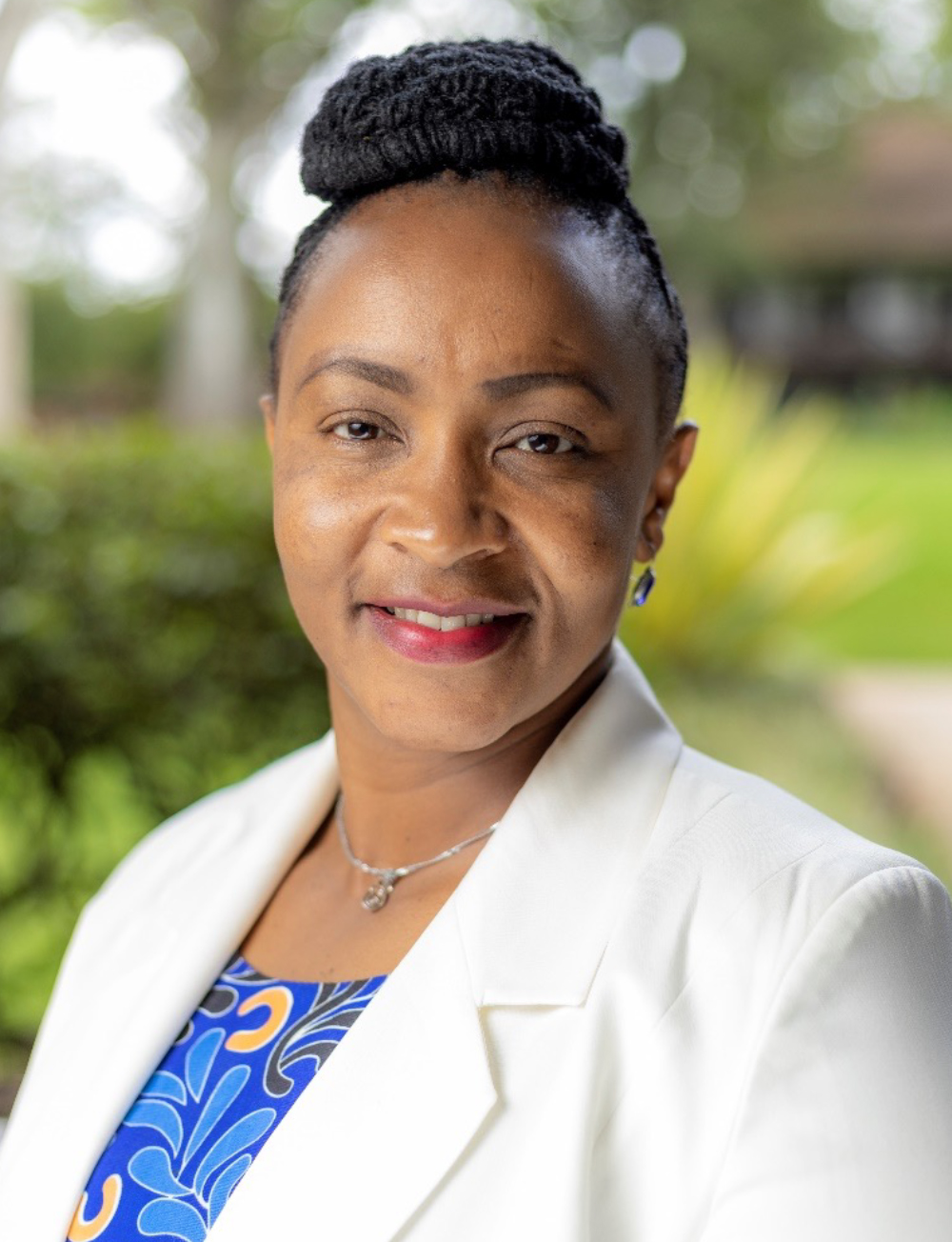
Dr. Beatrice Muriithi
Profile
Dr. Beatrice Wambui Muriithi is a Scientist in Gender and Impact Assessment within the Social Sciences and Impact Assessment Unit at the International Centre of Insect Physiology and Ecology (icipe). She joined icipe in 2014 as a Postdoctoral Fellow before advancing to a full scientist position. She holds a PhD in Development Economics from the Centre of Development Research (ZEF) at the University of Bonn, Germany, where she also worked as a Junior Researcher. Her research focuses on inclusive technology adoption and the social, economic, and environmental impacts of agricultural innovations among communities across Sub-Saharan Africa, employing a broad range of quantitative and qualitative methods.
Dr. Muriithi has made significant contributions to the integrated pest management (IPM) discourse in Eastern and Southern Africa, demonstrating the economic gains of various value chain actors — including improved income, reduced pre- and post-harvest losses, and lower chemical expenditures — as well as broader health and environmental benefits. She also works on livestock health, beekeeping, and pollination services and their integration with IPM practices, with her animal health research highlighting the economic importance of challenges such as tsetse and trypanosomiasis. Beyond her scientific work, she plays an active role in resource mobilization and in mentoring young researchers and postgraduate students.

Dr. Billy Okemer
Profile
Dr. Billy Ipara Okemer is an academic and researcher affiliated with the Department of Agricultural Economics at the University of Nairobi. He serves as an Assistant Lecturer and holds a Master of Science in Agricultural and Applied Economics. He earned his undergraduate degree from the University of Nairobi and is also listed among doctoral degree candidates in the university’s records, indicating he has pursued or completed PhD-level studies.
His research focuses on agricultural development, food security, and sustainable farming systems. Notable work includes studying the effects of chicken marketing practices on Newcastle disease outbreaks in Kenya, using econometric methods such as Poisson regression on data collected from traders across Kakamega, Machakos, and Nairobi. More recently, he has co-authored research examining whether production diversity supports dietary diversity among pastoral and agro-pastoral households in West Pokot County, Kenya work conducted as part of an international collaborative project involving the University of Nairobi and Swedish universities.
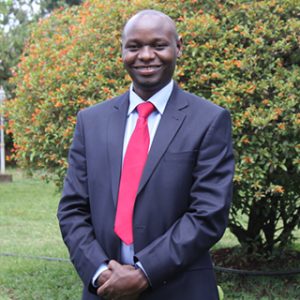
Dr. Daniel Willy
Profile
Dr. Daniel Kyalo Willy is an accomplished agricultural economist with over 15 years of experience working with smallholder farmers, specializing in the design and implementation of interdisciplinary agricultural research projects, household and market surveys, and quantitative/qualitative data analysis. His research has focused on sustainable agricultural intensification, technology adoption and transfer, impact assessment of agricultural technologies, agri-environmental interactions, and agricultural value chain assessment. He holds a BSc and MSc in Agricultural Economics from Egerton University and a PhD in Agricultural and Resource Economics from the University of Bonn.
At AATF, Dr. Willy currently serves as Senior Manager for Policy, Agribusiness and Commercialization, having progressed through several roles within the organization including Program Officer and Agricultural Economist. He is also a member of the African Association of Agricultural Economists (AAAE) and has consulted for organizations including the National Research Fund – Kenya, Solidaridad East and Central Africa, BOKU University in Austria, and Michigan State University. He currently serves as Principal Investigator for the STEP-School Feeding Project, a research initiative aimed at building evidence-based systems for sourcing foods for schools to strengthen home-grown school feeding in Kenya. His scientific contributions are reflected in a publication record of over 30 peer-reviewed papers, conference papers, policy briefs, and technical reports.
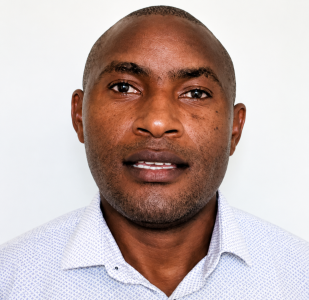
Dr. Michael Kariuki
Profile
Dr. Michael Ndegwa Kariuki is an Associate Research Scientist at the International Maize and Wheat Improvement Center (CIMMYT), based in Nairobi, Kenya. He holds a PhD in Development Economics from the University of Greenwich, a master’s degree in project planning and management, and a bachelor’s degree in agriculture Extension and Education from the University of Nairobi. At CIMMYT, he serves as a Market and Value Chain Specialist with expertise in evaluating agricultural policies and technologies using cutting-edge evaluation methodologies.
As a scientist in the SAS program, his current work focuses on strategies for enhancing the performance of seed systems in East Africa, with a particular emphasis on seed marketing innovations to achieve faster varietal turnover. His broader research portfolio includes innovative models for financing and de-risking agricultural production for smallholders in Africa, as well as evaluation of postharvest technologies such as hermetic bags and metal silos, and assessment of drought-tolerant maize varieties. He is a published researcher with collaborations across CGIAR institutions and international universities, contributing to food security solutions for smallholder farmers across East and Sub-Saharan Africa.

Evaline Sang'
Profile
Evaline Chepng’etich Sang’ is an Agribusiness expert and lecturer at Kenyatta University, where she is based in the School of Agriculture and Enterprise Development. She holds a Diploma and BSc in Agricultural Education and Extension from Egerton University, as well as an MSc in Agribusiness Management and Trade from Kenyatta University and has been pursuing her doctoral degree in Agribusiness Management at Jomo Kenyatta University of Agriculture and Technology (JKUAT).
Evaline is a 2021 Mawazo Learning Exchange Fellow and is deeply passionate about transforming youth attitudes toward agriculture. Having worked with young people as a teacher and patron of agricultural clubs at both secondary and tertiary levels, she observed widespread negative perceptions of farming among youth. Her professional focus is on equipping students with the skills to transition agriculture into agribusiness, while also cultivating a positive mindset toward farming as a viable and rewarding career path
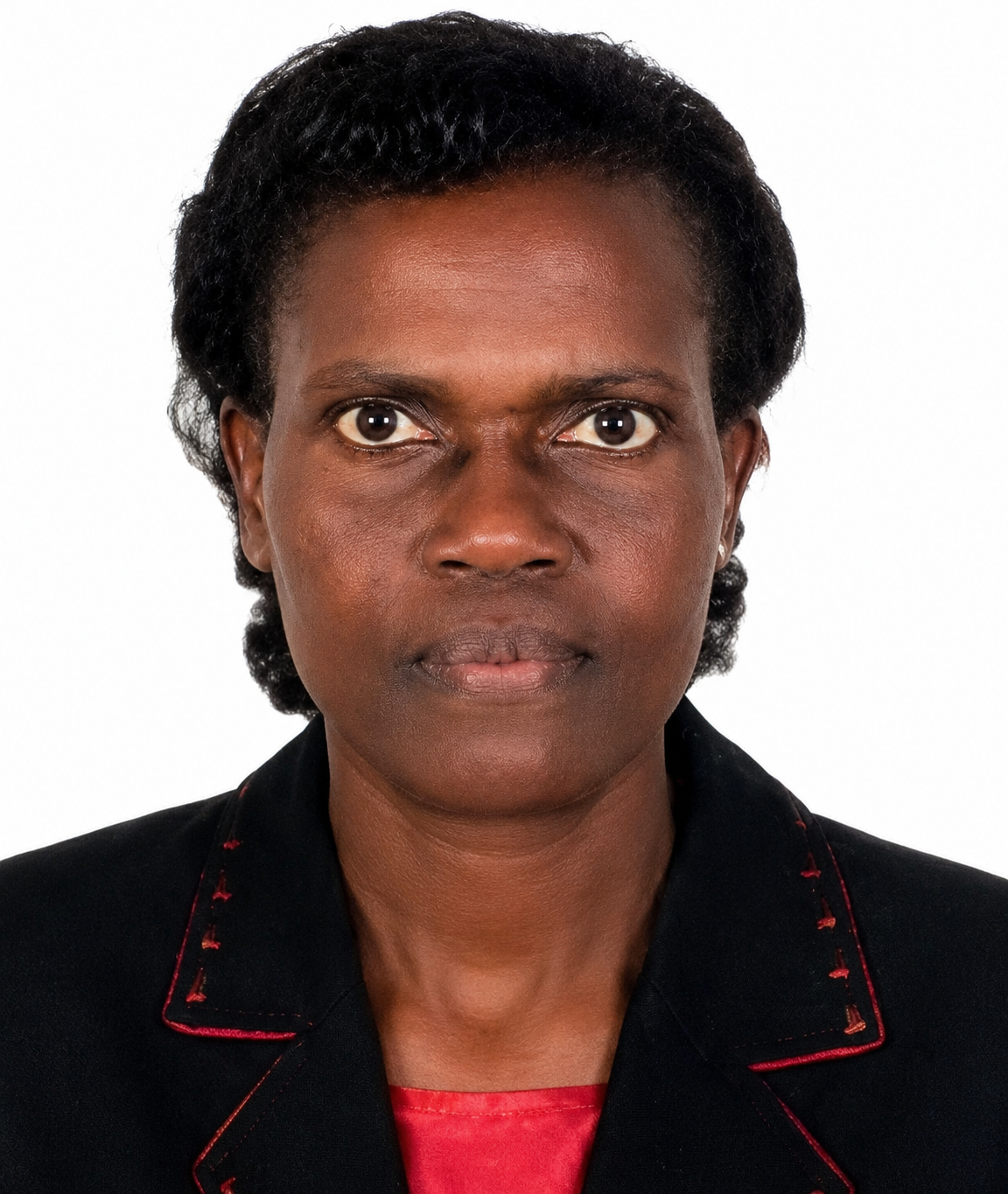
Prof. Rose Nyikal
Profile
Prof. Rose Adhiambo Nyikal is a Professor of Agricultural Economics at the University of Nairobi, Kenya. She completed her BSc in Agriculture in 1980, her MSc in Agricultural Economics in 1990, and her PhD in Agricultural Economics in 2000, all from the University of Nairobi. Her primary research interests lie in Agricultural Production Economics, with a particular focus on rural finance and smallholder resource use. She teaches courses including Operations Research, Production Economics, and Farm Management.
Beyond her teaching and research, Prof. Nyikal has an extensive record of academic supervision and consultancy work, having advised institutions such as the African Institute for Capacity Development (AICAD), the Forum for Agricultural Research in Africa (FARA), the State Department of Agriculture, and the Regional Strategic Analysis and Knowledge Support System (ReSAKSS). She served as Principal of the College of Agriculture and Veterinary Sciences from February 2019 to June 2021. Her scholarly work has garnered over 1,600 citations on Google Scholar, reflecting her significant contribution to agricultural economics research across East Africa.

Dr. Peter Kipkorir
Profile
Dr. Peter Kipkorir is an agricultural economist specializing in food and nutrition security, climate change economics, environmental management, and gender-responsive development policy. He serves as a faculty member in the Department of Agriculture and Environmental Studies at Rongo University and coordinates the Agricultural Economics and Resource Management program. He is also a beneficiary of the Impact Evaluation Working Group facilitated by the Society for Conservation Biology. Previously, he worked as an academic consultant at Moi University and the University of Eldoret.
He holds a PhD in Agricultural Economics and Resource Management from Moi University, where his research examined the link between women’s empowerment, agricultural commercialization, and household food security in Kenya. He has served as a Researcher and Young Professional Program beneficiary at KIPPRA, contributing to national policy on child nutrition, food systems transformation, and WASH. Dr. Kipkorir is a doctoral fellow and active member of several regional and international professional associations.
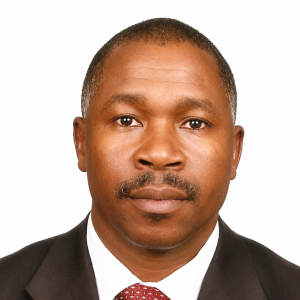
Dr John Maina
Profile
Dr. John Maina Njoroge is a senior public sector leader in the Ministry of Agriculture, contributing to national agricultural policy, sector coordination, and strategic reform. With expertise in agricultural economics and development planning, he advances initiatives that strengthen food security, improve farmer productivity, and modernize agricultural value chains across Kenya.
His work centers on policy formulation, institutional strengthening, and stakeholder engagement, aligning government priorities with private-sector investment and farmer needs. He has supported the implementation of climate-smart agriculture strategies, agribusiness development frameworks, and digital transformation programs that enhance extension services and expand market access.
Known for his analytical rigor and collaborative leadership, Dr. Njoroge works closely with county governments, development partners, and research institutions to promote evidence-based decision-making. His commitment to sustainable agricultural growth and inclusive rural development positions him as an influential contributor to Kenya’s agricultural transformation agenda.
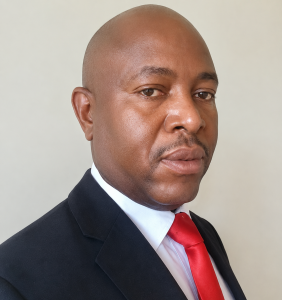
Prof. Jonathan Nzuma
Profile
Prof. Jonathan Makau Nzuma is an Associate Professor of Agricultural Economics at the University of Nairobi. He holds a PhD in Agricultural Economics and Business from the University of Guelph, Canada, and has extensive expertise in agricultural policy, international trade, food security, production economics, project planning, monitoring and evaluation, and development economics. Prof. Nzuma has published widely in leading international journals and has supervised numerous postgraduate students. His research focuses on improving agricultural productivity, rural livelihoods, nutrition, and evidence-based policy for sustainable agricultural development across Africa.

Dr. Henry Mwololo
Profile
Henry Muli Mwololo is an agricultural economist and researcher in the Department of Agricultural Economics at the University of Nairobi. His expertise includes agricultural policy, farmer empowerment, food security, rural development, agricultural value chains, and impact evaluation. He has co-authored peer-reviewed research on agricultural productivity and food and nutrition security, with a particular focus on improving the livelihoods of smallholder farmers through evidence-based policy and economic analysis. Henry has contributed to multidisciplinary research projects that inform agricultural development initiatives across Kenya and is committed to advancing sustainable and inclusive agricultural transformation through research, policy engagement, and capacity building.